
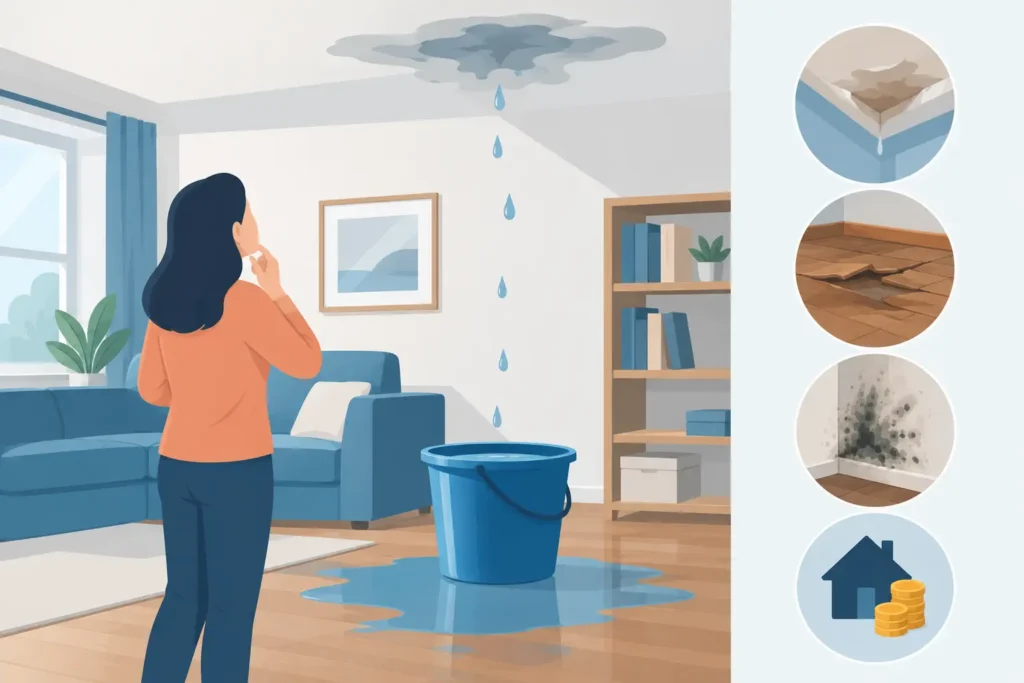
A small wet spot under a cabinet can be easy to dismiss, especially when the faucet still works and the floor feels dry. But water leaks rarely stay contained. A loose supply connection, failing toilet seal, damaged pipe, or hidden slab leak can send moisture into framing, drywall, flooring, and nearby electrical areas long before the source becomes obvious.
For homeowners, landlords, and business owners in Monterey County, early action is the difference between a focused plumbing repair and a much larger restoration project. The goal is not simply to stop visible water. It is to find the source, protect the property, and make a repair that holds up.
Why Water Leaks Become Expensive So Quickly
Water follows the path of least resistance. A leak behind a wall may travel along a pipe, framing member, or subfloor before it appears as a stain several feet away. That makes the visible symptom unreliable as a guide to the actual problem.
Even a slow leak can cause trouble over time. Drywall softens, wood framing can stay damp, flooring may warp, and moisture can create conditions for mold growth. In rental homes, hotels, offices, and retail spaces, the damage can also affect neighboring units or interrupt normal operations.
A sudden leak is more obvious, but it comes with its own risks. A burst supply line or failed water heater connection can release a large amount of water in minutes. If water reaches outlets, appliances, or electrical panels, keep people away from the affected area and treat it as an urgent safety concern.
The repair approach depends on the location and cause. Replacing a worn supply hose is very different from repairing a corroded pipe inside a wall or locating a leak beneath a concrete slab. A proper diagnosis prevents a temporary patch from becoming a repeat call.
Warning Signs of Hidden Water Leaks
Not every plumbing leak produces a drip you can see. Pay attention to changes that do not have an obvious explanation, particularly when they continue for more than a day or two.
A higher water bill is one of the clearest warnings. If water use has not changed but the bill has climbed, water may be escaping somewhere in the system. You may also hear water moving when all fixtures are off, notice a water meter that continues to run, or find that your water heater seems to run more often than usual.
Inside the property, look for bubbling paint, discolored drywall, peeling baseboards, musty odors, soft flooring, or damp carpet. A warm area on a slab floor can point to a hot-water line leak. On the exterior, damp soil, unusually green patches, or standing water near the foundation may signal an underground line issue.
Toilets deserve special attention. A toilet that refills on its own may have a failing flapper, allowing water to pass into the bowl continuously. This is often less dramatic than a pipe break, but it can waste a significant amount of water and raise utility costs.
For commercial properties, monitor restrooms, break rooms, mechanical spaces, and vacant suites. Leaks in areas with limited daily traffic can go undetected longer, causing avoidable damage to walls, ceilings, inventory, and finished surfaces.
What to Do When You Find an Active Leak
Fast, calm action can limit damage while help is on the way. If the leak is coming from a fixture or appliance, shut off the local valve if you can reach it safely. A toilet or sink usually has a shutoff valve nearby, while a water heater has its own cold-water supply valve.
If water is spreading quickly, shut off the main water supply to the property. Homeowners should know where this valve is before an emergency occurs. Property managers should also make sure tenants and on-site staff know who to contact and how to reach the main shutoff when appropriate.
Take these immediate steps:
- Move furniture, electronics, documents, and inventory away from the water.
- Place towels, buckets, or pans under a manageable drip to reduce spread.
- Avoid using electrical equipment near standing water.
- Do not cut into walls, ceilings, or flooring unless it is safe and necessary to prevent immediate damage.
Photos and short videos can help document the damage for a landlord, property manager, or insurance provider. Still, documentation should not delay shutting off water or calling for professional assistance.
Why Finding the Source Matters More Than Drying the Surface
Drying a puddle is necessary, but it does not solve a leak behind a wall or under a floor. Water can continue moving through concealed spaces, where it damages materials without creating an immediate visible warning.
Professional leak detection focuses on confirming where water is escaping before unnecessary demolition begins. Depending on the symptoms and plumbing layout, this may involve pressure testing, meter checks, acoustic listening equipment, thermal methods, or careful inspection of accessible piping and fixtures. The right method depends on the building, pipe material, location of the suspected leak, and whether the water loss is constant or intermittent.
This matters especially with slab leaks. Cutting concrete based on a guess can create unnecessary disruption. Accurate detection helps narrow the repair area and supports better decisions about whether a localized repair, pipe reroute, or more extensive replacement makes sense.
There are trade-offs. A spot repair is often the least disruptive option when piping is otherwise in good condition and the leak is isolated. If the property has repeated leaks, widespread corrosion, or aging pipe materials, repairing one section at a time may not be the most cost-effective long-term choice. A qualified plumber should explain the condition found, the available options, and what each solution is intended to address.
Common Leak Locations Around Homes and Businesses
Supply lines under sinks are frequent trouble spots because fittings, valves, and flexible hoses age over time. Faucets can leak at cartridges, seals, or connections, while garbage disposal connections may drip into the cabinet below. In bathrooms, failed caulking or grout can allow shower water behind finished surfaces, even when the drain and supply pipes are working correctly.
Toilets can leak from the base, tank bolts, supply connection, fill valve, or internal flapper. Water around the base should not be ignored. It may be a simple condensation issue, but it can also point to a failed wax ring or another connection problem that needs inspection.
Water heaters can leak from drain valves, pipe connections, temperature and pressure relief components, or the tank itself. A leaking tank often means replacement is needed, while a leaking fitting may be repairable. Because water heaters involve pressurized water and, in many properties, gas or electrical connections, repairs should be handled with care.
Outside, irrigation-adjacent plumbing, hose bibs, underground water lines, and pipes exposed to weather can all develop leaks. Coastal conditions, soil movement, age, and corrosion can influence how long a system lasts. There is no one timeline that fits every property.
Preventing Avoidable Water Damage
Routine checks are practical protection, not overreaction. Look under sinks every few months, inspect water heater areas for moisture, and test toilets for unexplained refilling. Replace visibly corroded supply lines and repair dripping faucets rather than letting them continue indefinitely.
For landlords and commercial property managers, regular inspections are particularly valuable between tenants or before busy seasons. A vacant unit with a slow leak can sustain serious damage before anyone notices it. Clear reporting procedures also help tenants and employees act quickly instead of waiting for a minor issue to worsen.
Know the age and condition of major plumbing components where possible. Older shutoff valves may not operate reliably in an emergency, and aging water heaters or supply lines deserve closer attention. Preventive replacement has an upfront cost, but it can be less disruptive than an emergency repair after a failure.
Get the Right Help Before Damage Spreads
When a leak is active, hidden, recurring, or causing stains and rising water bills, it is time to have it assessed. RS Plumbing provides local leak detection and repair for homes and commercial properties throughout Seaside, Monterey County, and surrounding communities, with 24/7 emergency response when the situation cannot wait.
The best next step is simple: stop the water if it is safe to do so, protect the area, and arrange for the source to be identified. A prompt, professional repair can protect far more than pipes – it can protect the property and the people who depend on it.
