
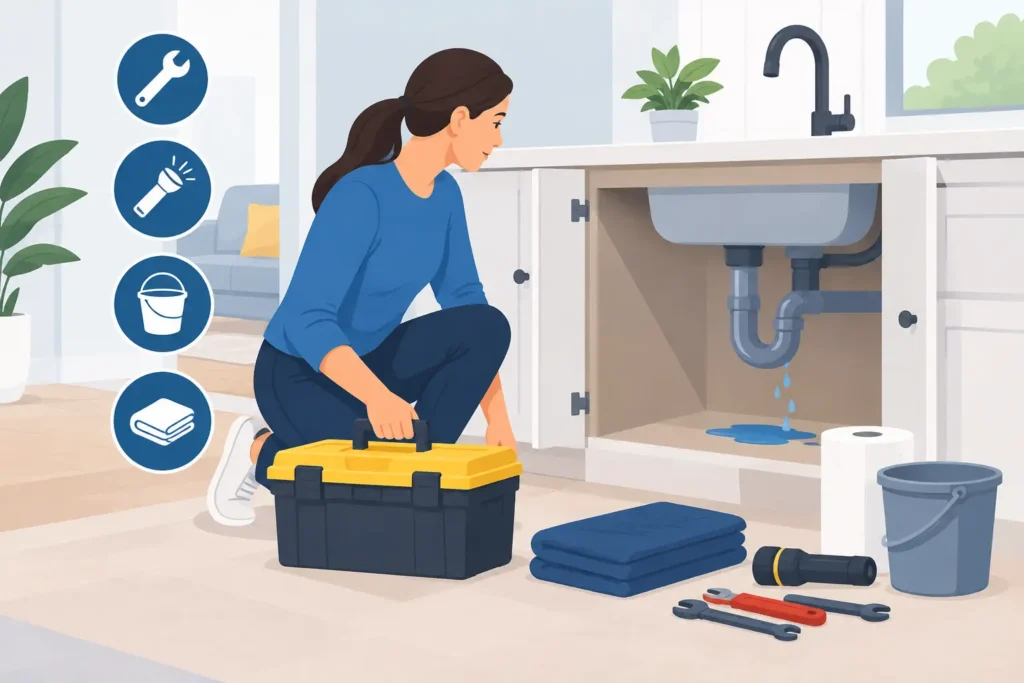
A burst supply line can soak a cabinet and floor before you finish looking for a phone number. A sewer backup can close a restroom, damage inventory, or make a rental unit unsafe within minutes. Knowing how to prepare for a plumbing emergency gives you a better chance to stop the immediate damage, protect the people on the property, and get the right repair underway quickly.
Preparation does not mean attempting repairs beyond your experience. It means knowing where to shut off water, keeping access clear, recognizing when a situation is unsafe, and having a dependable local plumber ready to call. For homes, rentals, offices, restaurants, and other properties across Monterey County, those few decisions can make a major difference in cleanup costs and downtime.
Know Which Plumbing Problems Need Immediate Action
Not every drip requires an emergency call at midnight. A faucet that drips into a sink can usually wait for a scheduled repair. But active water flow, sewage exposure, a suspected gas leak, and a water heater problem involving leaking water or unsafe conditions require immediate attention.
Treat a plumbing issue as urgent when water is actively spreading through walls, ceilings, flooring, or electrical areas. A toilet, shower, or floor drain backing up with wastewater is also urgent, especially if more than one fixture is affected. Multiple slow or backed-up drains can point to a sewer main obstruction rather than a simple drain clog.
A loss of hot water may be inconvenient, but it becomes more serious if the water heater is leaking, making unusual noises, producing discolored water, or showing signs of corrosion. If you smell gas near an appliance or gas line, leave the area, avoid switches and flames, and contact the gas utility or emergency services from a safe location. Do not try to locate or repair the leak yourself.
How to Prepare for a Plumbing Emergency Before It Happens
The most useful preparation starts with your main water shutoff valve. Everyone responsible for the property should know its location and how it operates. In many homes, the valve is near the water meter, in a garage, near the water heater, or along an exterior wall. Commercial buildings may have multiple shutoffs, so property managers should identify the valve that controls each suite or area.
Test the valve carefully before an emergency occurs. If it is difficult to turn, corroded, or inaccessible, arrange for service rather than forcing it. A shutoff valve that will not close when a pipe bursts can turn a manageable repair into extensive property damage.
Also locate the individual shutoff valves beneath sinks, behind toilets, and at appliances such as washing machines. Closing a fixture-level valve can keep water service available in the rest of the building while limiting damage at the problem area. Make sure cabinets, utility closets, and access panels are not blocked by storage.
Keep key information where household members, tenants, or on-site staff can find it. This should include the main water shutoff location, water heater location, utility contact information, and the contact details for a licensed emergency plumber. Landlords and commercial property managers should provide clear instructions to tenants or employees about who has authority to shut off water and report a problem.
A small emergency supply area is also worthwhile. Keep towels, a bucket, heavy-duty gloves, a flashlight, basic cleaning supplies, and a wet/dry vacuum if available. These items will not fix a broken pipe, but they can help contain clean-water leaks while professional help is on the way. For sewage backups, use gloves and keep people and pets away from the affected area rather than attempting extensive cleanup yourself.
Take the Right First Steps During a Leak or Backup
When water is flowing, the first priority is to stop it safely. Shut off the fixture valve if the leak is isolated to a toilet, sink, dishwasher, refrigerator line, or washing machine connection. If you cannot identify the source or water continues to spread, close the main water shutoff.
Next, protect electrical safety. Do not stand in water near outlets, power strips, electrical panels, or appliances. If water is approaching electrical equipment and you can safely reach the breaker panel without stepping through water, shut off power to the affected area. If conditions are unsafe, leave the area and seek emergency assistance.
Move furniture, boxes, electronics, and valuables away from the water if it can be done safely. Use towels or buckets to reduce spread, but do not remove wall panels, flooring, or plumbing components unless you know the situation is safe and you are qualified to do so. Take photos or short videos of the damage after stopping the water. Clear documentation can help with insurance claims and gives the plumber useful information about what occurred.
For a sewer backup, stop using water throughout the building. Do not flush toilets, run faucets, start the dishwasher, or use the washing machine. Adding more water to the drainage system can force contaminated wastewater back through low fixtures or floor drains. A sewer main clearing professional can determine whether the issue is a localized blockage, a main line obstruction, roots, damaged piping, or another problem that needs a longer-term repair.
Prepare for Water Heater and Gas Line Problems
Water heaters deserve their own plan because they combine water, heat, and in some cases gas or electricity. Learn how to turn off the cold-water supply feeding the unit, but do not shut off gas or power to the heater unless you understand the proper procedure or are directed to do so by a qualified professional. Never relight a gas water heater if you suspect a gas leak.
Check around the water heater periodically for moisture, rust, damaged connections, or a failing drain pan. A slow leak may seem minor, but it can damage flooring and framing over time. If a tank begins leaking heavily, shut off its cold-water supply if safe, then call for service. Replacing an aging unit before it fails is often less disruptive than responding to a flooded utility area.
Gas line concerns require a more cautious response. If you smell rotten eggs or sulfur, hear a hissing sound near a gas line, or suspect a gas leak, do not use phones, light switches, vehicles, or open flames near the area. Leave the building, move to a safe distance, and contact the gas utility or emergency services. A licensed plumbing professional can address gas piping repairs or installations after the immediate hazard has been handled.
Build a Clear Plan for Rentals and Commercial Properties
For landlords and property managers, plumbing preparedness depends on communication as much as equipment. Tenants need a simple way to report an active leak or sewer backup after normal business hours. They should know not to ignore water stains, recurring drain backups, or a toilet that will not stop running, since these early warnings can prevent a larger emergency.
For businesses, assign at least two staff members who can access shutoff valves and emergency contacts. Restaurants, retail spaces, offices, and hospitality properties should keep utility rooms unlocked for authorized personnel and label valves where practical. If a restroom must be closed because of a backup, employees should know how to keep customers away from the hazard and limit water use in the affected area.
It also helps to document the plumbing system during routine maintenance. Note the age of water heaters, prior sewer issues, locations of cleanouts, and any recurring drain concerns. Older properties may have hidden leak risks, deteriorating sewer lines, or fixtures that need replacement. Addressing those conditions on a planned schedule is usually easier on a budget than waiting for a failure.
Choose Qualified Help Before You Need It
An emergency is not the best time to compare contractors, verify licensing, or wonder whether someone can handle sewer, leak, water heater, or gas line work. Choose a local plumbing contractor with emergency availability, proper licensing and insurance, and experience diagnosing the cause rather than applying a temporary patch.
When you call, be ready to explain what is happening, where the water is coming from, whether the main water has been shut off, and whether sewage or gas may be involved. Mention the property type, such as a single-family home, rental unit, restaurant, office, or multi-unit building. Clear details help the plumber arrive prepared with the right equipment.
RS Plumbing provides 24/7 emergency plumbing support for property owners throughout Seaside, Monterey County, and nearby communities. The goal is straightforward: control the urgent problem, identify the source, and recommend a repair that protects the property for the long term.
A plumbing emergency is stressful, but the first minutes do not have to be chaotic. Find your shutoff valves, make a simple response plan, and keep qualified local help available before water, sewage, or gas turns a small issue into a larger one.
