
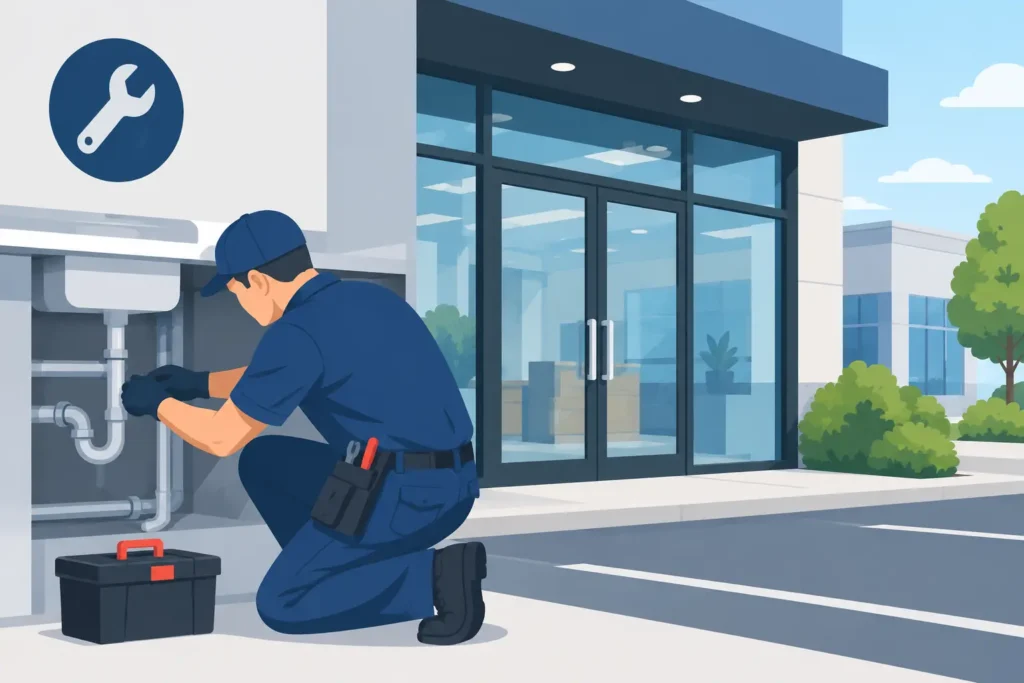
A backed-up restroom, a leaking water heater, or a gas line concern can stop business faster than most owners expect. Commercial plumbing services are not just about fixing pipes. They protect your employees, customers, inventory, building, and ability to stay open. For businesses across Seaside, Monterey County, and nearby communities, a quick response and a correct repair can make the difference between a short disruption and a costly closure.
Commercial properties put different demands on plumbing systems than homes do. Restrooms see heavier use, kitchen drains collect more grease and debris, and water lines may serve multiple tenants or busy work areas. When something fails, the problem needs to be diagnosed at the source, communicated clearly, and repaired with the property’s daily operation in mind.
When Commercial Plumbing Problems Need Immediate Action
Not every plumbing issue requires an emergency call, but waiting is rarely the right choice when water, sewage, or gas is involved. A small leak behind a wall can damage drywall, flooring, electrical systems, and neighboring suites before it becomes visible. A sewer backup can create an unsanitary condition that puts staff and customers at risk. A suspected gas leak requires immediate professional attention and should never be treated as a routine repair.
Business owners and property managers should act quickly when they notice recurring drain clogs, sewage odors, water stains, unusually high water bills, low hot-water supply, dripping fixtures, or changes in water pressure. These signs can point to a bigger issue in a sewer line, supply line, water heater, or hidden section of piping.
The right response depends on the situation. A single slow sink may be a localized drain issue. Multiple slow fixtures often indicate a larger blockage farther down the line. A toilet that repeatedly backs up may have more going on than a simple clog, especially in an older commercial building. Treating repeated symptoms without identifying the cause can lead to more downtime and higher repair costs later.
Commercial Plumbing Services for Daily Operations
Reliable commercial plumbing work covers both urgent repairs and planned maintenance. The goal is not only to get water flowing again. It is to reduce disruption, protect the property, and help prevent the same issue from returning.
Drain Cleaning and Sewer Main Clearing
Busy restaurants, offices, retail spaces, hotels, and rental properties all depend on clear drains. Over time, grease, soap residue, paper products, mineral buildup, roots, and damaged piping can restrict flow. Store-bought drain products are not a long-term answer for commercial systems. Some products can also be hard on older pipes while doing little to remove a serious blockage.
Professional drain cleaning and sewer main clearing address the line itself. When a main sewer line is clogged, several fixtures may drain slowly or back up at once. Clearing the blockage quickly helps limit sanitation concerns and prevents wastewater from spreading into work areas, restrooms, or tenant spaces.
Sewer Line Repair
A clear line is not always a healthy line. Cracked pipe, root intrusion, shifted joints, corrosion, and aging materials can cause recurring sewer problems. If drain backups keep returning after cleaning, the line may need a more complete evaluation and repair.
Sewer repair is a situation where the lowest immediate price is not always the lowest total cost. A temporary clearing may be appropriate for a one-time blockage. But if the same line fails repeatedly, investing in the underlying repair can reduce emergency calls, avoid property damage, and give a property manager better control over maintenance costs.
Hidden Leak Detection and Repair
Leaks do not always announce themselves with a burst pipe. Many start quietly behind walls, under slabs, or in ceilings. Property owners may first notice a damp spot, peeling paint, moldy odor, warped flooring, or a water bill that no longer makes sense.
Hidden water leak detection helps locate the source without unnecessary damage to the property. Once the issue is identified, the repair should focus on stopping the leak and limiting the chance of further water damage. Early action matters, especially in multi-tenant buildings where one leak can affect several units and create scheduling challenges for everyone involved.
Water Heater Installation and Repair
Hot water is essential for many commercial properties. Restaurants, hospitality businesses, salons, medical offices, and rental properties may have little room for a water-heater failure. Even offices can face employee and tenant complaints when restroom hot water disappears.
The best solution depends on capacity needs, fuel type, existing equipment, building layout, and budget. Repair may make sense when the unit is relatively new and the issue is limited. Replacement can be the better option when repairs are frequent, the equipment is aging, or the current system no longer meets demand. A clear explanation of those options helps owners make a practical decision instead of guessing under pressure.
Gas Line Installation and Repair
Gas piping requires trained, licensed work. Whether a business needs a new gas line for equipment, an upgrade for a remodel, or repair after signs of a leak, the work must be handled carefully and to proper standards.
If you smell gas, hear a hissing sound near a gas line, or suspect a gas-related issue, leave the area if necessary and seek immediate help. Do not try to locate or repair the leak yourself. Protecting people on the property comes before protecting the day’s schedule.
Fixture, Faucet, and Toilet Replacement
A leaking faucet, running toilet, or damaged restroom fixture may seem minor compared with a sewer backup. Yet these small problems can waste water, increase utility bills, frustrate customers, and create a poor impression of the business. In rental and hospitality settings, fixture issues can also lead to repeated service requests and unhappy tenants or guests.
Replacing worn fixtures can improve reliability and reduce ongoing maintenance. The best choice is not always the most expensive model. It should fit the traffic level, the building’s plumbing setup, accessibility needs, and the owner’s maintenance goals.
What Business Owners Should Expect From a Plumber
Commercial work requires more than technical knowledge. It requires respect for the building, its occupants, and the business schedule. Before work begins, a dependable plumber should explain what appears to be wrong, what repair options are available, and how the work may affect operations.
For urgent calls, speed matters, but so does judgment. Shutting off water may prevent major damage, yet it can also affect tenants or customers. A good contractor weighs those concerns, communicates the next steps, and works to contain the issue as safely as possible.
For planned projects, clear estimates and realistic scheduling help property managers coordinate access, tenant notices, and business hours. Licensed and insured workmanship is especially important in commercial settings, where a poor repair can create liability, damage finishes, or interrupt multiple operations at once.
RS Plumbing provides hands-on commercial support backed by 15 years of professional experience, 24/7 emergency availability, free estimates, and direct local service. From drain and sewer issues to hidden leaks, gas piping, water heaters, and fixture replacements, the focus stays on resolving the actual problem while protecting your property.
A Practical Plan for Preventing Major Disruptions
Emergency repairs cannot always be avoided, particularly in older buildings or properties with heavy use. Still, a few practical habits can reduce surprises. Pay attention to recurring clogs instead of repeatedly plunging them. Address drips and running toilets before they waste significant water. Keep an eye on water bills, and investigate sudden increases. Schedule service when drains begin slowing down rather than waiting for a full backup during a busy shift.
Property managers should also keep basic plumbing information available: the location of water shutoff valves, the building’s main sewer access point when known, and a current contact for emergency service. Staff do not need to diagnose every problem, but they should know when to stop using an affected fixture and report it quickly.
When water, drains, sewer lines, hot water, or gas systems threaten your operation, prompt professional help protects more than plumbing. It protects the people who rely on your business being ready to open tomorrow.
