
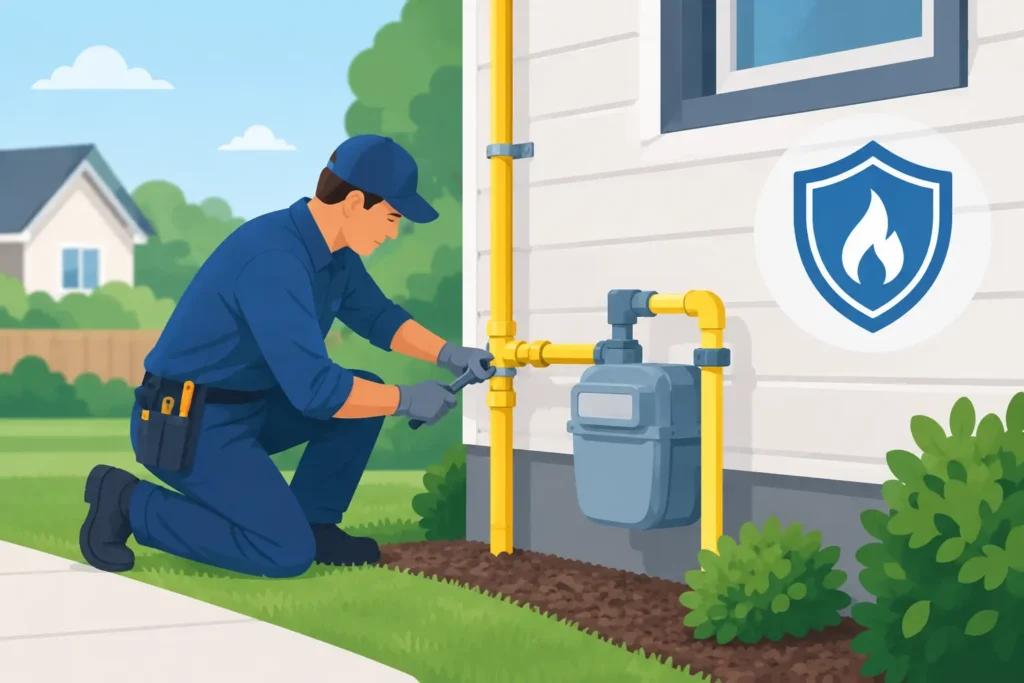
A new gas range, outdoor kitchen, fireplace, dryer, or commercial appliance can be a valuable upgrade. But gas line installation is not a project to treat like a routine fixture swap. The piping has to be correctly sized, securely routed, tested for leaks, and installed to applicable code requirements before gas is introduced. A small mistake can create a serious safety risk, damage property, or leave an appliance performing poorly.
For homeowners, landlords, and business owners in Monterey County, the right approach starts with a licensed professional who looks at the full system, not just the new appliance. That includes the existing gas supply, pipe material, appliance demand, shutoff access, routing options, and permit requirements for the property.
When a New Gas Line May Be Needed
Many gas projects begin with an appliance upgrade. A kitchen remodel may include a gas cooktop. A homeowner may want a gas dryer instead of an electric model. A restaurant may need another cooking station, or a hospitality property may be adding outdoor heaters. In each case, the existing line may or may not have the capacity to support the new equipment.
Adding onto the nearest visible pipe is not automatically the answer. Gas piping is sized based on the total load of connected appliances, the length of the run, and the available gas pressure. If the line is undersized, appliances may not receive enough fuel during peak use. You may notice weak burner flames, slow water heater recovery, intermittent operation, or equipment that fails to run as intended.
A new line may also be necessary when an existing pipe is corroded, damaged, improperly routed, or no longer suitable for the property’s needs. Older homes can have piping configurations that made sense years ago but do not safely support a modern appliance layout. A professional evaluation helps determine whether a dedicated branch line, a larger main line, or a targeted repair is the appropriate solution.
What Professional Gas Line Installation Includes
Safe gas work is a planning and verification process, not simply connecting pipe from point A to point B. The work begins with identifying the appliance’s fuel requirements and checking whether the existing meter and piping system can serve the added demand. This is especially important in properties with several gas appliances, such as a furnace, water heater, dryer, fireplace, range, and outdoor features.
The installer then selects an appropriate route. In some buildings, the cleanest route may be through a crawl space, attic, wall cavity, garage, or exterior wall. The best choice depends on access, local requirements, protection from physical damage, and how to minimize disruption to finished areas. For commercial spaces, routing must also account for operations, customer areas, kitchen equipment, and future service access.
The pipe material and fittings must be suitable for the application. Connections need proper support, shutoff valves must be accessible, and penetrations through walls or foundations must be protected and sealed correctly. Once the work is installed, the system is pressure tested to confirm it holds without leaks before it is placed into service. Where permits and inspections apply, those steps are part of completing the project properly.
This careful process protects more than the appliance. It helps protect occupants, employees, guests, tenants, and the building itself.
New Appliance Does Not Always Mean New Piping
Sometimes an existing capped gas stub is already available and correctly sized for the new appliance. In that situation, the job may be straightforward after the line and connection are evaluated. Other times, a seemingly simple change reveals that the old line is too small or that the shutoff valve, connector, or venting setup needs attention.
That is why estimates should be based on an on-site assessment whenever possible. The scope can vary widely between a range installed on the other side of an existing kitchen wall and a new gas fire pit located across a landscaped yard. Clear communication about the route, wall access, restoration needs, permit process, and testing helps prevent surprises.
Signs Your Gas Piping Needs Prompt Attention
Some gas line concerns should not wait for a planned upgrade. A sulfur or rotten-egg odor, hissing near a line or appliance, damaged exposed piping, or unexplained symptoms around gas equipment require immediate action. If you suspect a gas leak, do not operate electrical switches, use a phone inside the building, start a vehicle nearby, or attempt to find the leak yourself.
Leave the area, keep others away, and contact the gas utility or emergency services from a safe location. After the immediate safety concern has been addressed, a qualified plumbing professional can inspect and repair the piping as needed.
Less urgent signs can still point to a problem worth scheduling. Rust on exposed pipe, an appliance that repeatedly loses performance, a shutoff valve that will not operate, or a line that has been struck during construction should be checked. Temporary patches and guesswork are not a safe response to gas piping issues.
Residential and Commercial Needs Are Different
A residential gas line often serves a limited number of appliances, but that does not make the work casual. A home may have tight crawl spaces, finished walls, coastal moisture exposure, and older infrastructure that all affect the installation plan. Property owners also want the job completed with respect for flooring, cabinetry, landscaping, and daily routines.
Commercial projects introduce another level of planning. Restaurants, offices, retail spaces, apartment properties, and hospitality buildings may have larger gas loads, multiple tenants, equipment downtime concerns, and stricter scheduling needs. A gas interruption can affect revenue, food service, hot water, heating, or tenant operations. The right contractor coordinates the work carefully and focuses on a solution that supports safe, dependable service after installation.
For landlords and property managers, documentation and consistency matter as much as the repair itself. When a gas line issue affects a rental property, a prompt professional response helps protect residents while reducing the chance of a small concern becoming a major disruption.
Why Licensing, Testing, and Permits Matter
Gas piping is one area where cutting corners can cost far more than it saves. Hiring an unlicensed installer or relying on an informal repair can create safety concerns, code violations, failed inspections, insurance complications, and expensive rework. A properly licensed and insured contractor brings the training, tools, and accountability needed for this type of work.
Permits are not required for every situation, and the exact requirements depend on the location and scope of work. When they are required, permits and inspections provide an additional check that the installation meets local standards. A qualified professional can explain what applies to your project instead of leaving you to sort through requirements after the work has started.
Testing is equally essential. A gas line can look neat and still have a leak at a threaded connection, fitting, valve, or concealed section. Pressure testing verifies the integrity of the system before it is put into use. It is one of the clearest differences between professional installation and a risky shortcut.
Plan the Project Before Work Begins
Before scheduling gas work, have the appliance model or specifications available if possible. The BTU rating, fuel type, location, and manufacturer requirements help determine the proper installation approach. It is also helpful to point out known gas appliances, previous repairs, access limitations, and any remodeling plans that could affect the route.
Ask for a clear explanation of the proposed work. You should understand where the line will run, whether drywall or exterior surfaces may need to be opened, what testing will be performed, and whether permits are expected. A trustworthy contractor should answer directly and explain options when there is more than one safe way to complete the job.
RS Plumbing provides local gas piping service for homes and businesses throughout Seaside, Monterey County, and surrounding communities. With 15 years of experience, licensed and insured workmanship, and free estimates, the focus is on practical solutions that protect the property and support the way you use it.
If you are planning a new gas appliance or have concerns about existing piping, schedule an evaluation before the project moves forward. Getting the line sized, installed, and tested correctly gives you confidence every time you turn on the appliance.
