
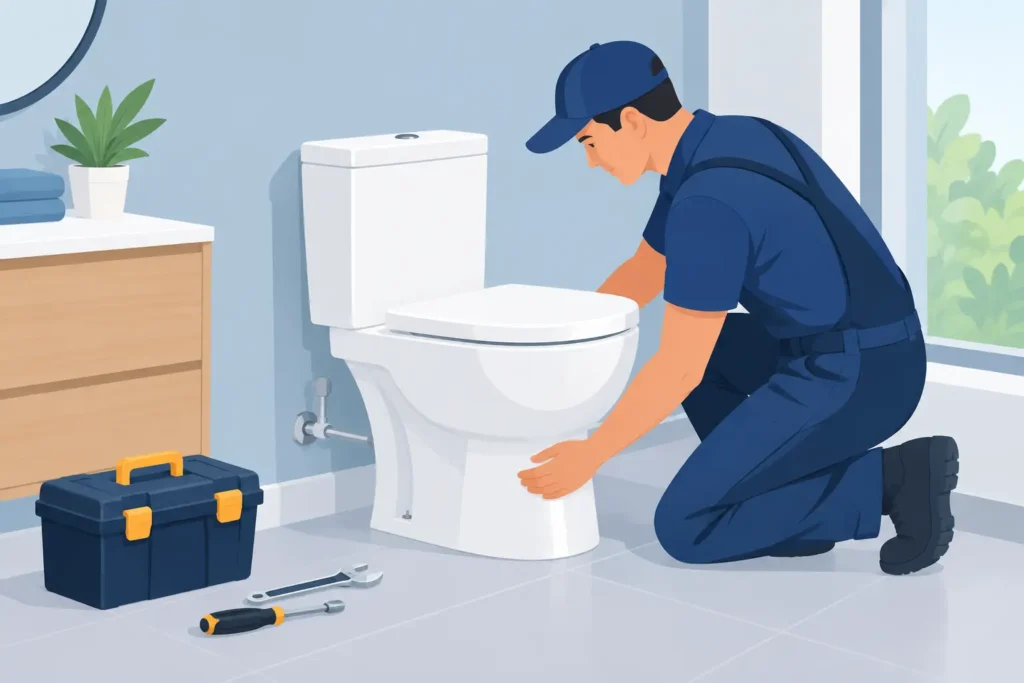
A toilet that rocks, leaks at the base, clogs repeatedly, or uses too much water is more than an inconvenience. It can damage flooring, disrupt a rental unit or business restroom, and raise water costs over time. A professional toilet replacement installation service addresses the fixture, its connection to the drain, and the condition of the surrounding plumbing so the new toilet is installed correctly from the start.
For homeowners, landlords, property managers, and business owners in Seaside and throughout Monterey County, replacement is often the practical answer when repairs no longer make financial sense. The right installation should leave you with a stable fixture, dependable flushing, a clean work area, and clear information about anything found beneath the old toilet.
When Toilet Replacement Makes More Sense Than Repair
Not every toilet problem calls for a new fixture. A worn fill valve, flapper, handle, or supply line can often be repaired quickly. But when the toilet itself is cracked, outdated, unstable, or repeatedly causing trouble, replacing it may prevent a larger plumbing problem.
A visible crack in the tank or bowl deserves prompt attention. Even a small crack can worsen and allow water to escape onto the floor. A toilet that leaks around its base may have a failed wax ring, loose mounting bolts, or a damaged toilet flange. Replacing the seal may be enough in some cases, but if the fixture is old, chipped, difficult to clean, or has a history of clogs, replacement can be the better long-term decision.
Frequent clogging is another common reason to consider a new toilet. Older models may not provide enough flushing performance for the way a household or commercial space is used. Modern toilets can use less water while delivering stronger, more reliable flushing. The best option depends on the drain layout, bathroom size, the needs of the people using it, and whether the property has recurring drain issues that should be inspected before a new toilet goes in.
What a Professional Toilet Replacement Installation Service Includes
Toilet replacement is not simply a matter of removing one bowl and setting down another. The fixture must fit the existing rough-in measurement, sit level on the finished floor, align correctly with the drain opening, and connect to a reliable water supply. Skipping any of these details can lead to rocking, hidden leaks, poor flushing, or damage to the finished floor.
A proper installation begins with shutting off the water and removing the existing toilet carefully. The installer checks the floor around the base for signs of moisture damage and examines the flange, which is the fitting that connects the toilet to the drain line. A loose, corroded, broken, or improperly positioned flange needs to be addressed before the new fixture is installed. A new toilet cannot correct a failed connection below it.
The new fixture is then set with the appropriate seal and secured without overtightening the porcelain. The water supply connection is installed or replaced as needed, the tank components are tested, and the toilet is checked for leaks, movement, and proper flushing. The area should be cleaned when the work is complete, not left with debris or old materials for the property owner to handle.
At RS Plumbing, the goal is straightforward: install the new fixture securely, identify concerns that could affect the result, and communicate clearly before additional work is performed. That practical approach matters whether the job is a single bathroom upgrade or a restroom replacement at a commercial property.
The Floor and Flange Matter More Than Most People Expect
The condition under an old toilet is not always visible until it is removed. A long-term leak may soften subflooring, stain finished flooring, or weaken the area around the flange. In a rental property, this can become a turnover delay. In a business, it can take a restroom out of service at the worst possible time.
If the floor is sound and the flange is in good condition, installation is usually straightforward. If there is hidden damage, the work may need to include flange repair, floor repair coordination, or drain adjustments. This is why a free estimate and an on-site evaluation are valuable. Honest answers before the installation help property owners plan for the real scope of work instead of being surprised after the old toilet is removed.
Choosing the Right Replacement Toilet
The most expensive toilet is not always the best choice. The right fixture should match the bathroom layout and provide the performance the property needs. Before purchasing a toilet, confirm the rough-in distance from the finished wall to the center of the drain. Twelve inches is common, but 10-inch and 14-inch rough-ins are also found in older homes and certain commercial settings.
Toilet height is another consideration. Comfort-height models are easier for many adults and older family members to use, while standard-height toilets may work better for children. Round bowls save space in smaller bathrooms. Elongated bowls offer additional comfort but extend farther into the room. A compact elongated model can be a good compromise where clearance is limited.
Water use also deserves attention. Older toilets can consume several gallons per flush. Current high-efficiency options use substantially less water, which can help reduce utility costs in homes, apartments, hotels, and other facilities with frequent use. Performance varies by model, though, so it is wise to select a fixture with a dependable flushing design rather than focusing only on gallons per flush.
For commercial restrooms, durability and ease of maintenance may matter most. Wall-mounted units, pressure-assisted fixtures, sensor-operated flush valves, and ADA considerations can affect the installation requirements. Commercial toilet replacement should account for restroom traffic, shutoff access, code requirements, and the need to keep operations moving with as little disruption as possible.
Avoiding Common Installation Problems
A toilet can appear fine immediately after installation and still develop a problem later if the connection was rushed. One of the most common issues is a toilet that rocks slightly when weight shifts on the seat. That movement can break the seal at the base over time. The toilet should be level, fully supported, and firmly secured. Shims may be necessary when floors are uneven, but they should be installed correctly and finished neatly.
Another issue is reusing an old supply line or shutoff valve that is already corroded or unreliable. Replacing a toilet creates an ideal opportunity to inspect these parts. A weak supply line can become a sudden leak after water pressure is restored, and a shutoff valve that will not close properly makes future service harder than it needs to be.
Poor flushing after replacement may not be a toilet problem at all. A partial drain blockage, venting issue, or sewer line concern can affect how waste moves through the system. If several fixtures are draining slowly, gurgling, or backing up, the property may need drain or sewer service in addition to the toilet installation. Treating only the visible symptom can lead to another service call soon after.
Planning Replacement for Rentals and Commercial Properties
For landlords and property managers, a failing toilet needs a timely response. Water at the base can damage flooring in the unit below, create tenant complaints, and expose the property to avoidable repair costs. Scheduling a replacement before a small leak becomes a larger restoration project protects both the building and the people living in it.
Business owners face a similar concern. A closed restroom affects employees, customers, and daily operations. In restaurants, offices, retail spaces, and hospitality properties, dependable restroom fixtures are part of maintaining a safe, usable facility. Planning the installation around operating hours and confirming the condition of the drain connection can reduce downtime.
Keep in mind that an emergency situation is different from a planned upgrade. If a toilet is overflowing, the base is actively leaking, or sewage is backing up, stop using the fixture when possible and seek immediate plumbing help. Turning off the toilet’s local shutoff valve can limit water damage, but do not force a valve that is stuck or corroded.
Get the Installation Done Right the First Time
A new toilet should improve the bathroom, not create a hidden leak beneath it. Professional installation protects the floor, confirms the drain connection is sound, and gives you a fixture that is ready for everyday use. Licensed and insured workmanship also provides confidence when the job involves aging plumbing, damaged flooring, or a commercial restroom with little room for downtime.
If you are planning a bathroom update or dealing with a toilet that has become unreliable, arrange an evaluation before the problem grows. A clear estimate, the right fixture choice, and careful installation can turn a frustrating plumbing issue into one less concern for your property.
